A Parent’s Guide to Teens and Vaping

Warning Signs, Physical Impact, Crucial Conversations
Q&A with Allison Burnett, Certified Health Education Specialist, Team Lead, SouthLight Prevention Services
Q. “Is vaping really that dangerous for teens?”
A. The brain and body of a teenager are still developing into their mid 20s. Vaping can alter the way their brains work, impairing memory and learning, and worsening or increasing the risk of mood or mental health disorders.
Vaping also impacts the lungs due to harmful chemicals and heavy metals within the devices. “Popcorn lung” (a rare yet serious lung condition) has been linked to the usage of diacetyl, often found as a flavoring within vapes.
Using vapes during your teenage years puts you at a higher risk of becoming addicted to them than if you were to start using them as an adult. This addiction could lead to a lifelong dependency or a gateway to cigarettes, marijuana, and alcohol usage.
Q. Can vaping lead to other substance use?
A. Yes. Nicotine is highly addictive, and vaping can steer your child toward other substances over time. Because nicotine alters brain chemistry, it can impact the impulse and reward areas in the brain. This leaves children more vulnerable to addictive tendencies. Because vaping in general is seen as low risk by teenagers, this might lead them to justify trying any kind of vape (like the ones with THC), since they look like similar devices.
Q. How do I know if my teen is vaping?
A. There are a number of signs you can look for.
Notice their behavior.
Teenagers hiding their vaping habits are often noticeably more secretive with their belongings and actions, like keeping their bedroom door shut more than usual. (If this is the case, discreetly checking their room might be necessary.) Also, there might be unexplained fruity smells or marijuana smells in the air.
With Nicotine vaping, you’ll see a loss of appetite, coughing or dry mouth. With THC, you’ll see red or bloodshot eyes, increased appetite, slow reaction time, and/or drowsiness. (THC is the psychoactive compound responsible for the intoxicating effects of marijuana.)
Keep an eye on their finances.
Check your child’s Venmo, Cash App, or Zelle account. If you see them buying “Yart” or “Carts,” they possibly bought a THC vape from someone at school. Students don’t call them vapes. They call them “Carts,” short for cartridge, and the slang term is “Yart.” Also, they often refer to using them as “hitting” them.
Check out their merchandise.
A good general rule of thumb: If you don’t recognize a logo, look it up. “Cookies” brand is a marijuana and THC distributor and a popular place for kids to purchase hats, backpacks, and shirts. Another brand kids wear is “Backwoods” (not a vape but a sweetened leaf-wrapped cigar, popular with a lot of famous rappers. People often remove tobacco and substitute marijuana.)
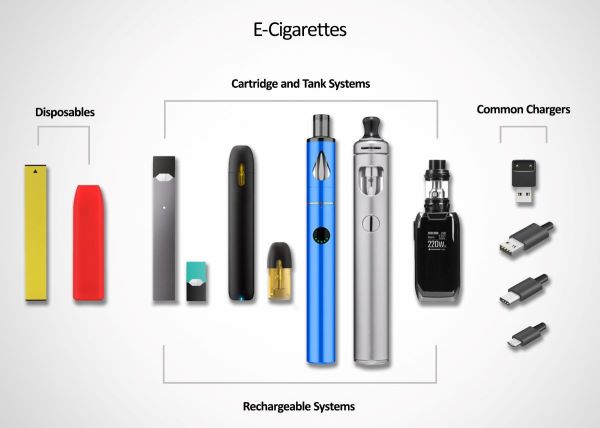
Q. What do nicotine and THC vapes look like?
A. They’re smaller and could look like a USB flash drive. Familiarize yourself with images of Nicotine and THC vapes so you know what to look for. You may find discarded pods or cartridges in your trash. (That’s where students tend to hide them when they’re caught in a school bathroom.)
Q. What should I say to my teen if I catch them vaping?
A. Before you say anything, think it over and educate yourself. Processing your emotions and thinking about their perspective as a teenager can help you have a conversation that’s open instead of accusatory. Learn about the vapes’ health effects – including the current lack of information on long-term damage – and be able to translate those to your child. It will help them understand where YOU are coming from in your concern.
Choose a location or time that is convenient for this conversation, preferably away from siblings. When you do talk, your job is to get an understanding of the whys and hows. Calmly asking curious, open-ended questions helps you get to the answers you need to move forward. (Click HERE for a conversation guide from the American Lung Association.)
Once they’ve opened up about why they are using, how it started, and what they know about the substance, you can start to educate them on the mental and physical health effects of vaping.
Expectations and boundaries must be set. Since the rules weren’t set beforehand, you must make sure your teenager is aware of them now. Let them know that vaping is not allowed from now on. Set consequences for if the behavior continues, and stick to them consistently if they arise. Let them know they are expected to turn in their vaping devices.
Lastly, make sure you continue this open communication. Encourage them to seek out friends who don’t use or encourage them to take the lead with their peers by not vaping.
Q. Is it easy to quit vaping?
A. Not always. Nicotine withdrawal can be quite difficult, with symptoms ranging from emotional (irritability, anxiety, depression) to physical (restlessness, headache, trouble sleeping). Make sure to monitor the effects of withdrawal or signs of continued use.
Q. Where can I get help if my teen is already addicted to vaping?
A. If you suspect they may have nicotine or THC dependence, you may want to consult with your child’s pediatrician. Talk about what might be the right next steps for you both, including the possibility of seeking out a therapist who specializes in adolescent substance use or behavioral addictions. Asking the school counselor for a referral or going through your health insurance provider could provide you with the right therapist you need.
Children face a lot of pressure at school. You can help them by staying educated and aware, being available to listen, and modeling a healthy lifestyle.

About Allison Burnett and the ACE-1 Program
Allison Burnett, Certified Health Education Specialist, Team Lead, SouthLight Prevention Services
Allison is the Team Lead for SouthLight’s ACE-1 Program (Alternative Counseling Education), in partnership with the Wake County Public School System. She works in the schools directly with the students who are first-time offenders of the schools’ drug and alcohol policy (use, under the influence, possession of drugs, alcohol, or drug paraphernalia, empty bottles, etc.). The goal of the ACE-1 Program is to reduce long-term suspensions by providing drug education free of charge for middle and high school students. For more ACE-1 Program information, please contact: PreventionServices@SouthLight.org.
Start your recovery today.
We understand how hard it is to reach out for help. Our team is here to support you on your recovery journey. We will listen, empower, and advocate for everyone who walks through our doors.